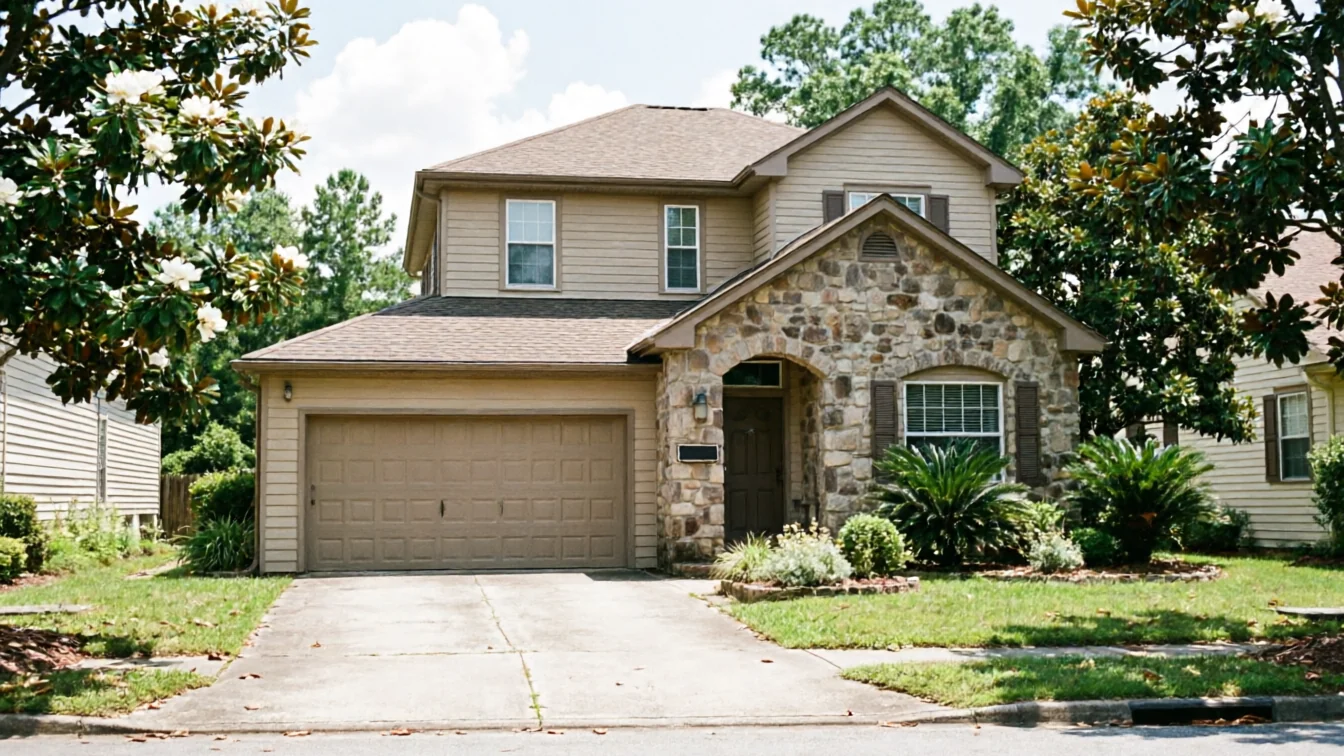
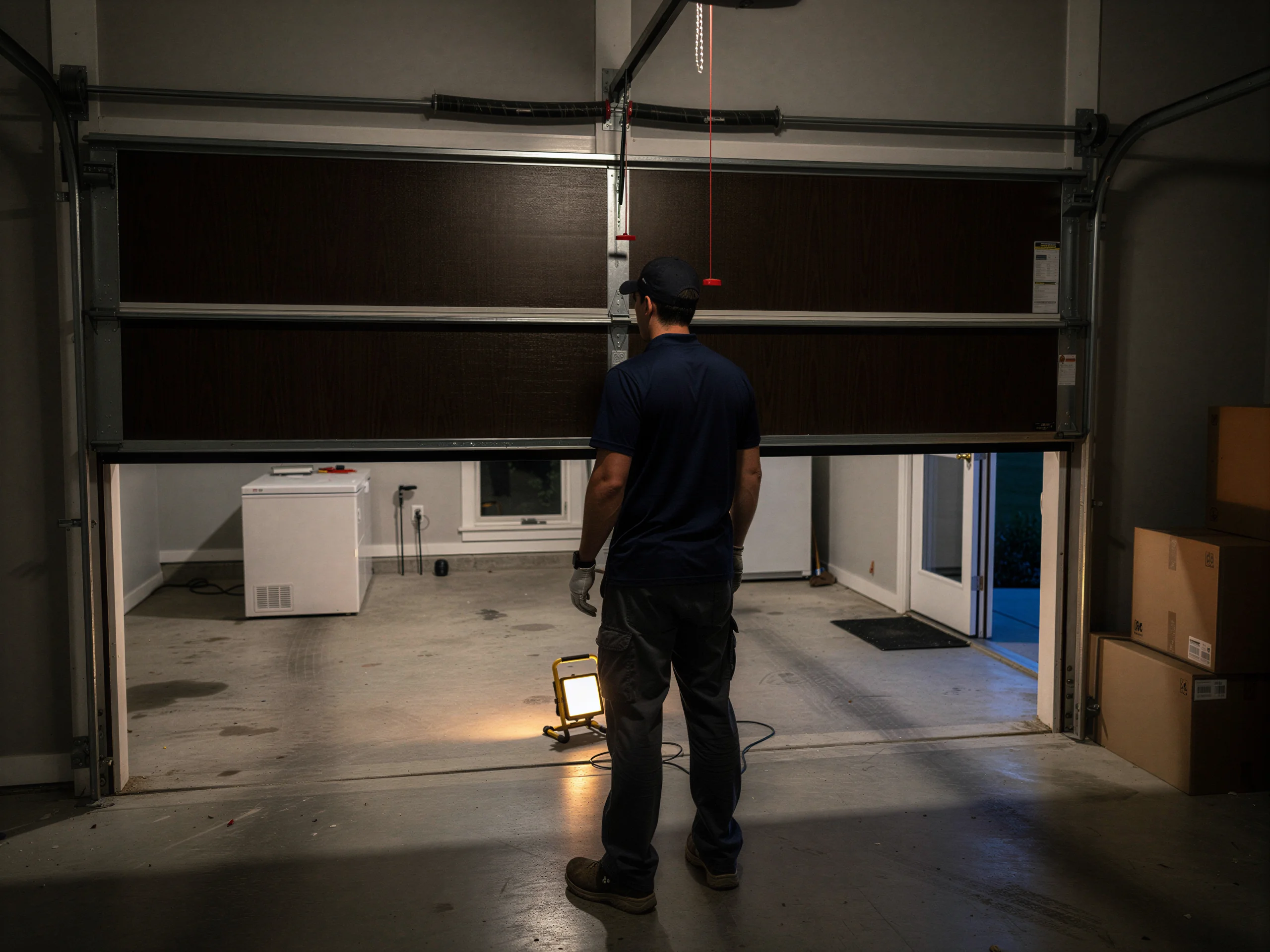
Most of the homes we work on across the wider service area were built somewhere between 1973 and 2013, with a lot of that stock dating to the 1980s and 90s. Rolesville skews younger. The median year built here lands around 2013, which means most of the garage doors we see on these calls are the first door the house has ever had, not a replacement.
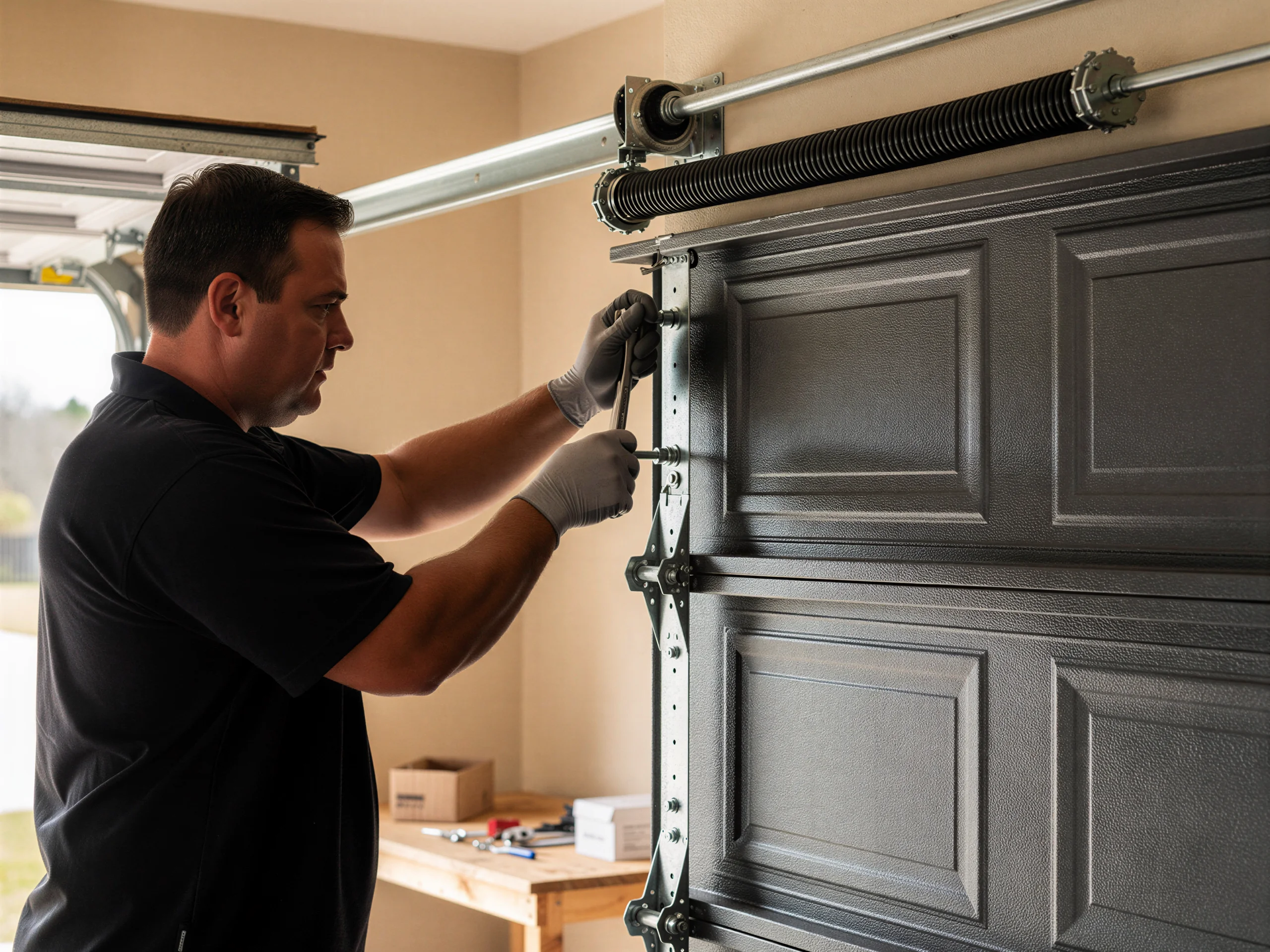
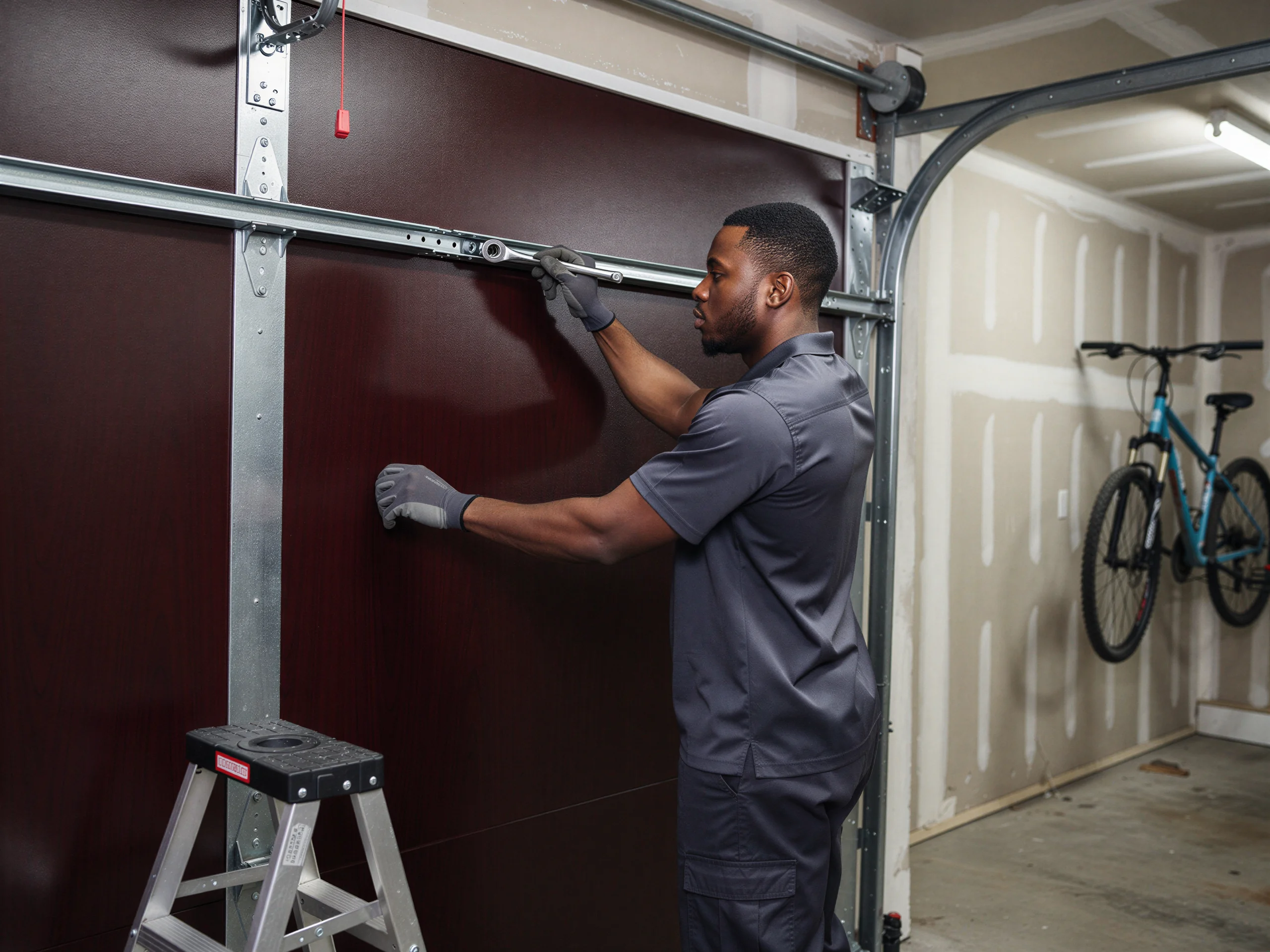
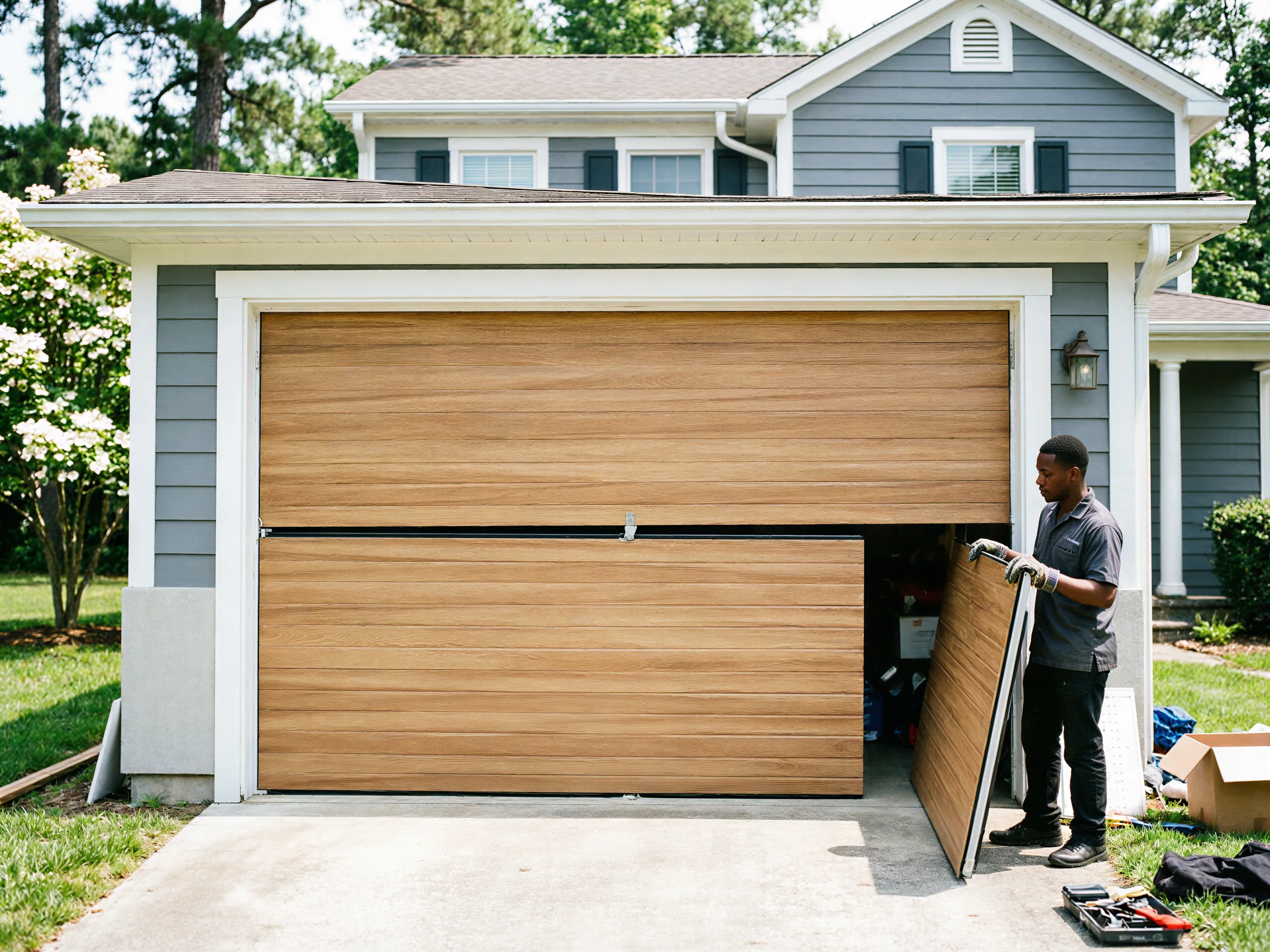
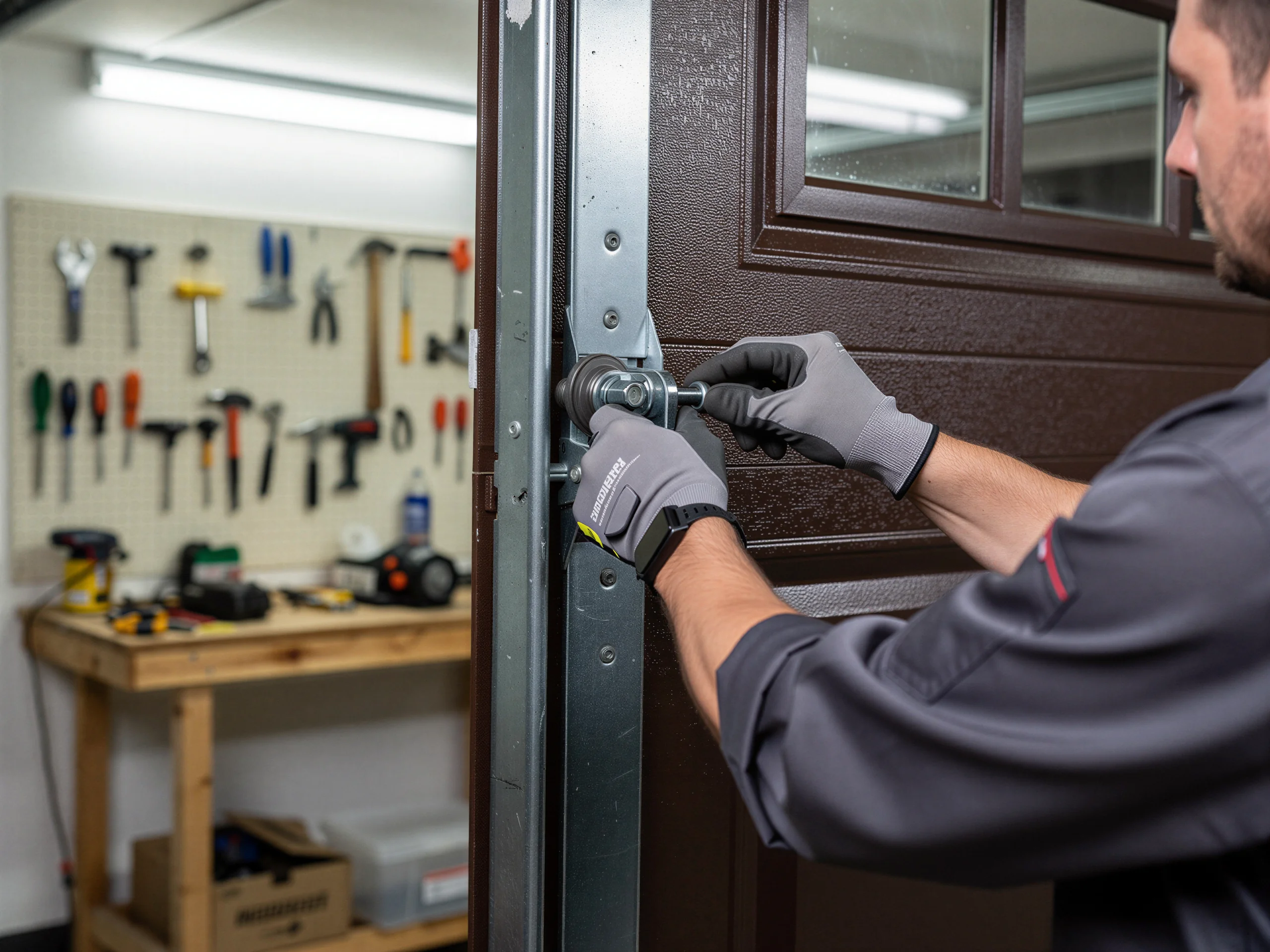
That sounds like good news, and it mostly is, but it changes what breaks. A 2013-era door is almost always a sectional steel door on a standard torsion spring, factory-balanced, with a belt or chain opener that's now reaching the age where openers start dropping circuit boards and logic chips rather than motors. We're not chasing warped one-piece panels or obsolete side-mount hardware out here the way we do in older pockets of the area. We're chasing spring fatigue on doors that get cycled twice a day by a family, and opener electronics that are twelve to fifteen years old and starting to act up. The failure mode is more predictable, which usually means the job is more straightforward too.
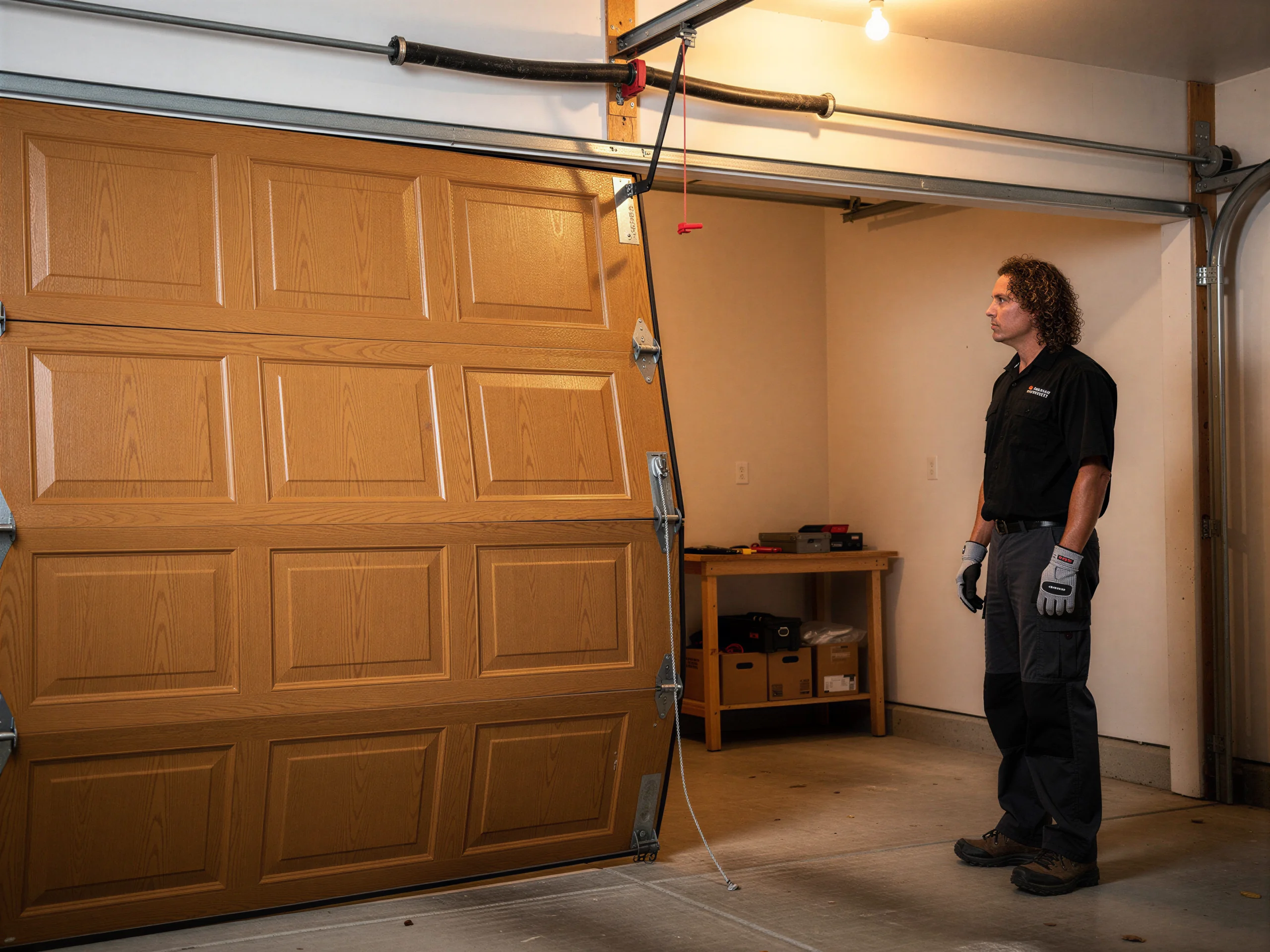
It also means that when something is wrong with a Rolesville door, it's rarely the whole unit. It's a spring, a sensor, or a board. Full door replacement is less common here than in the older housing we also cover.