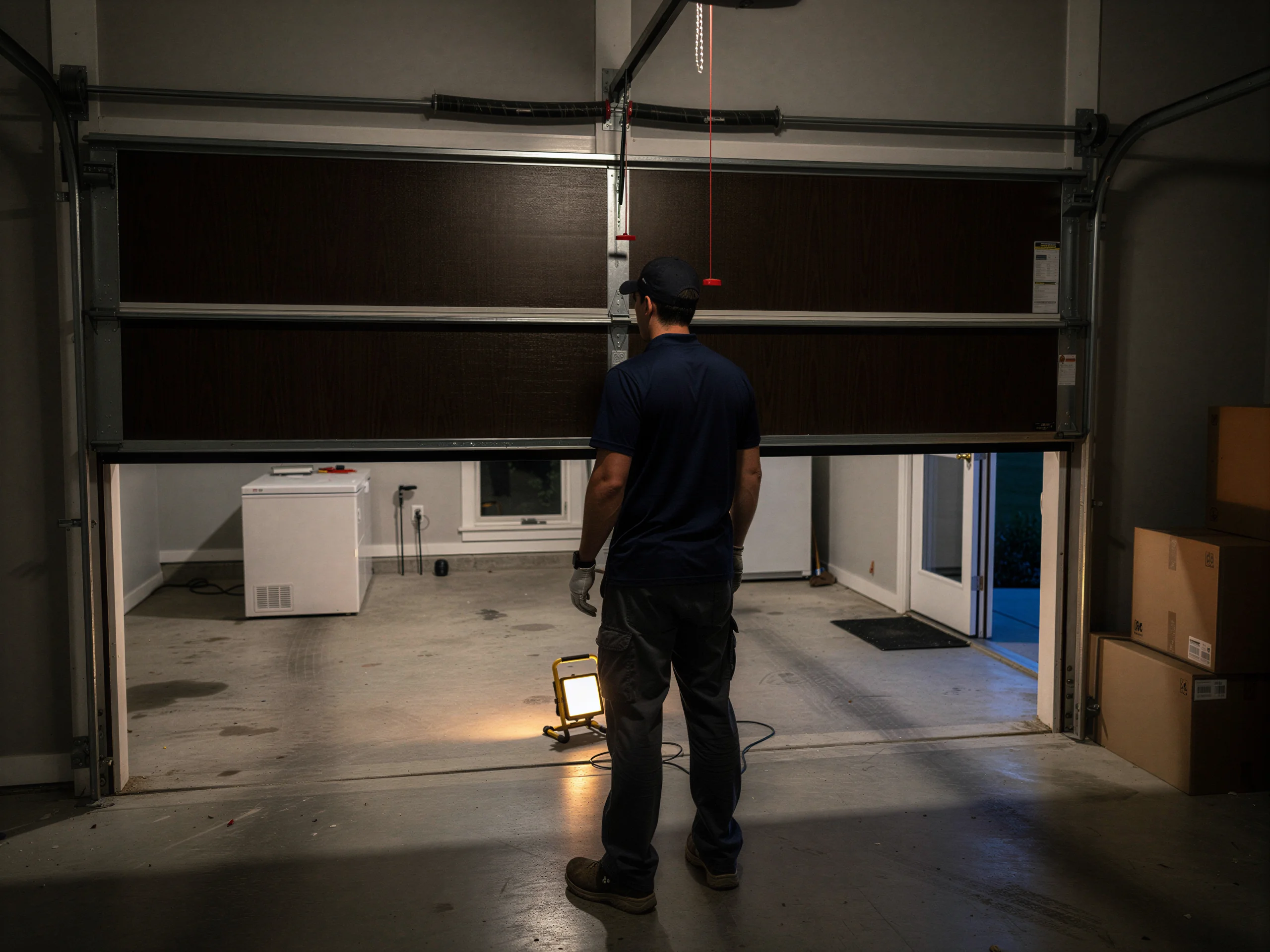
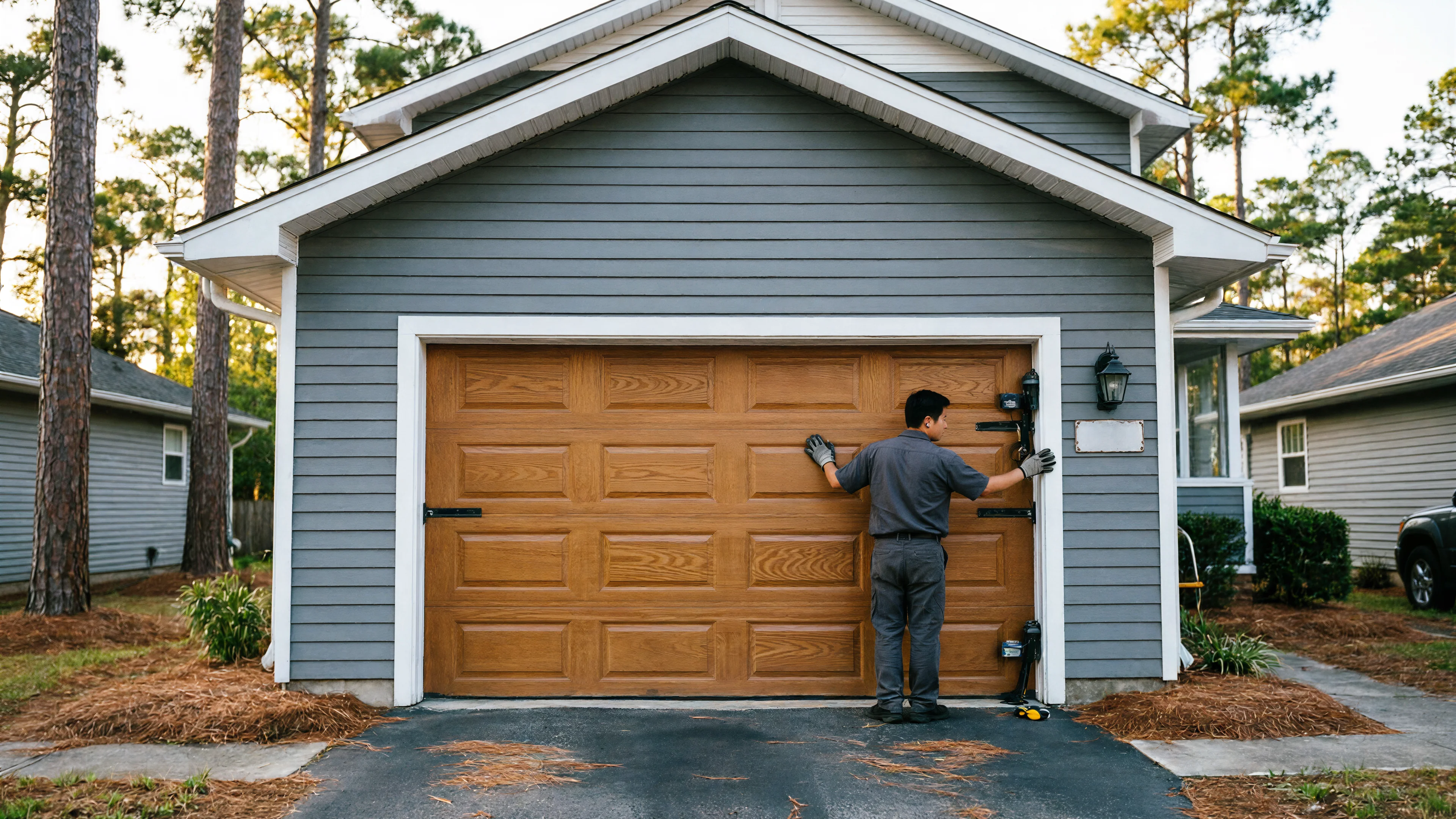
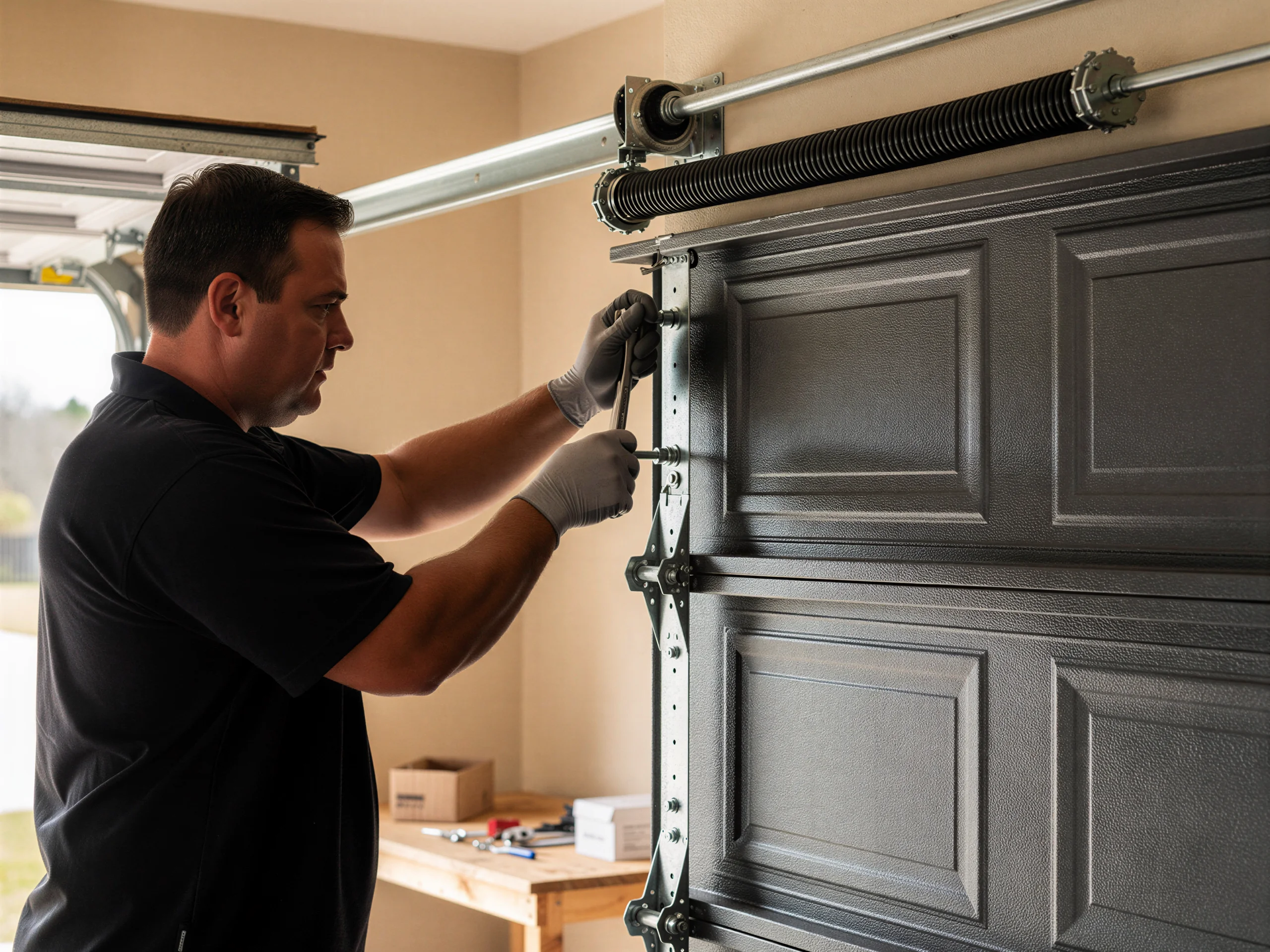
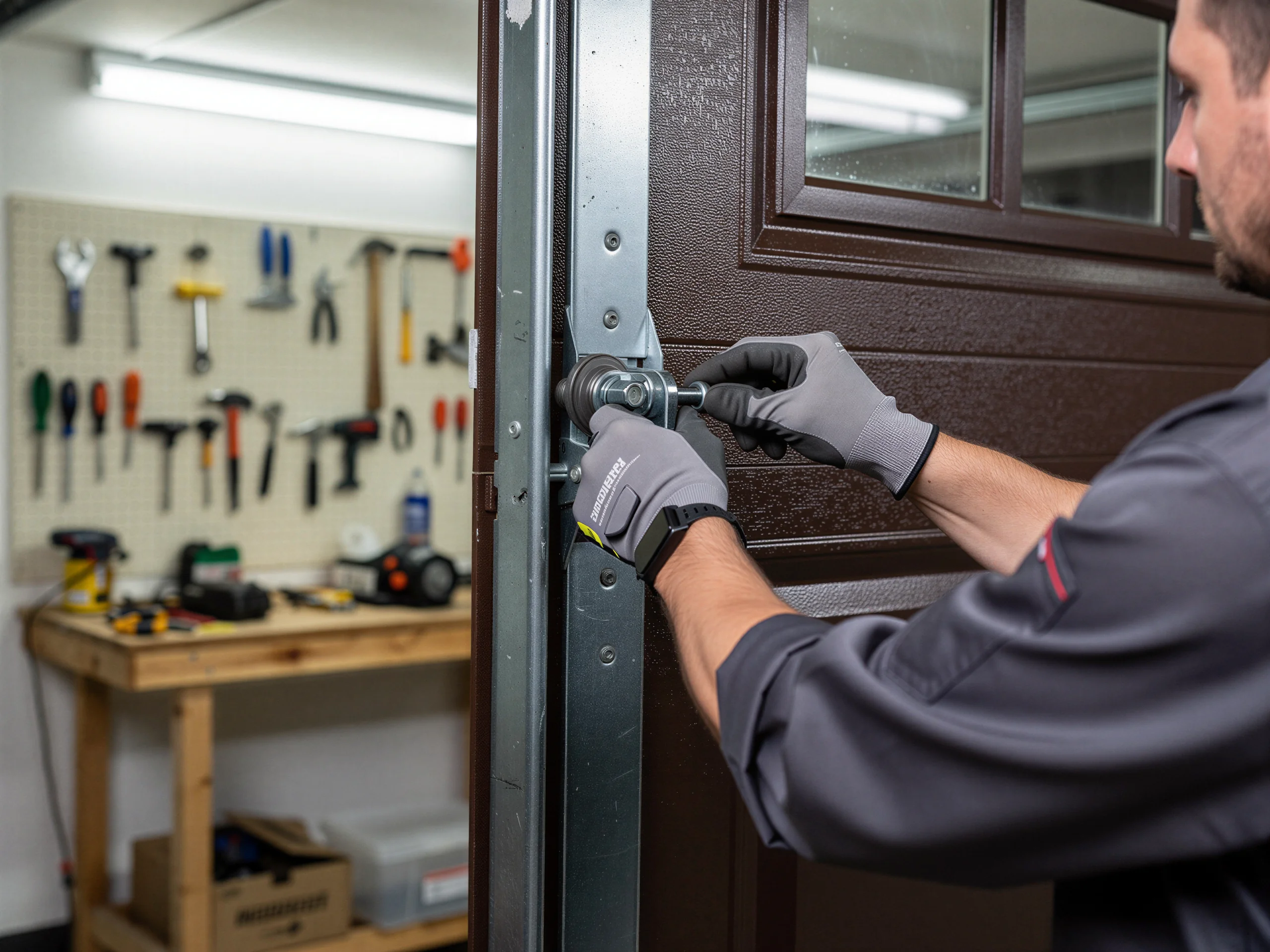
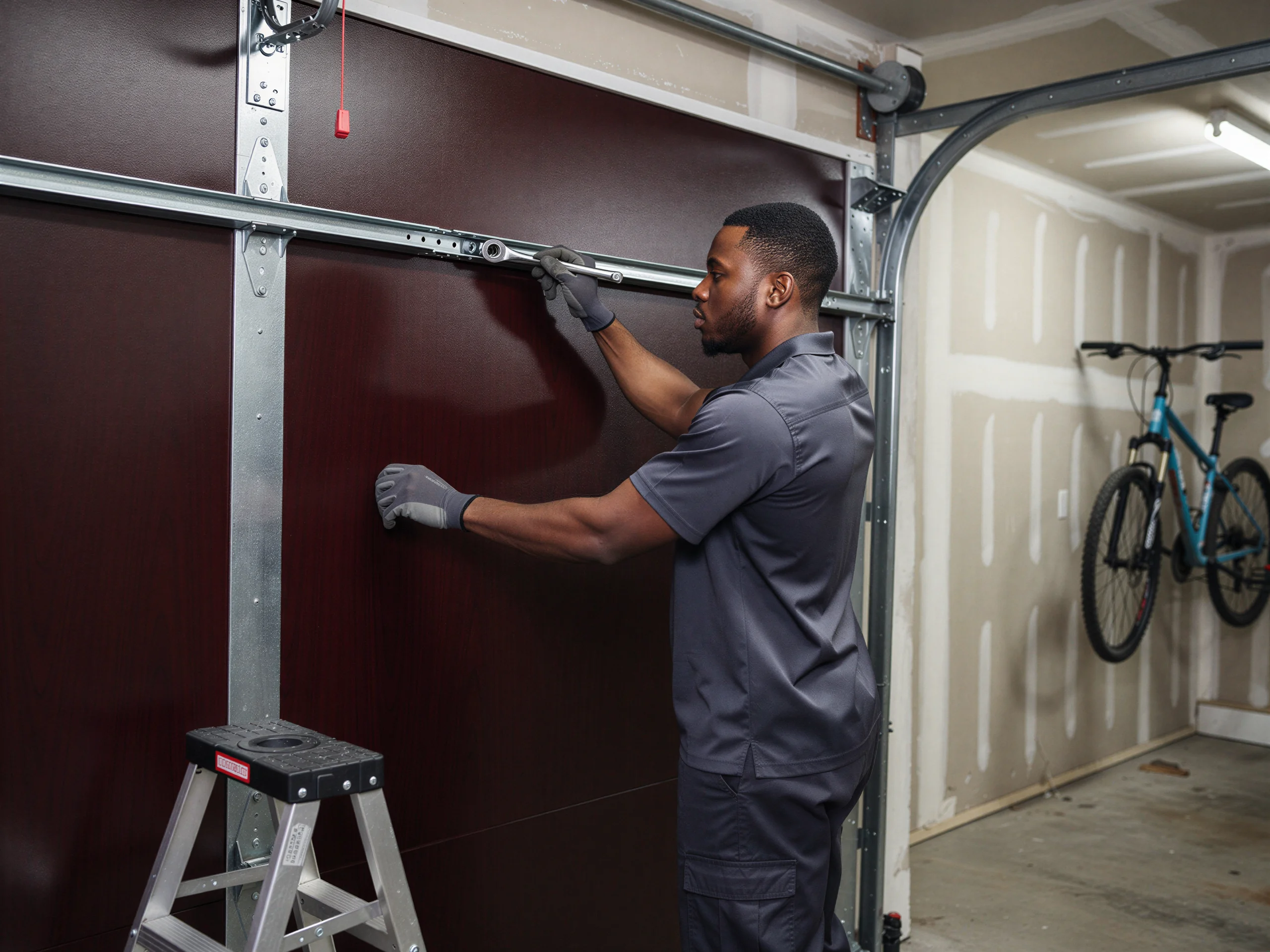
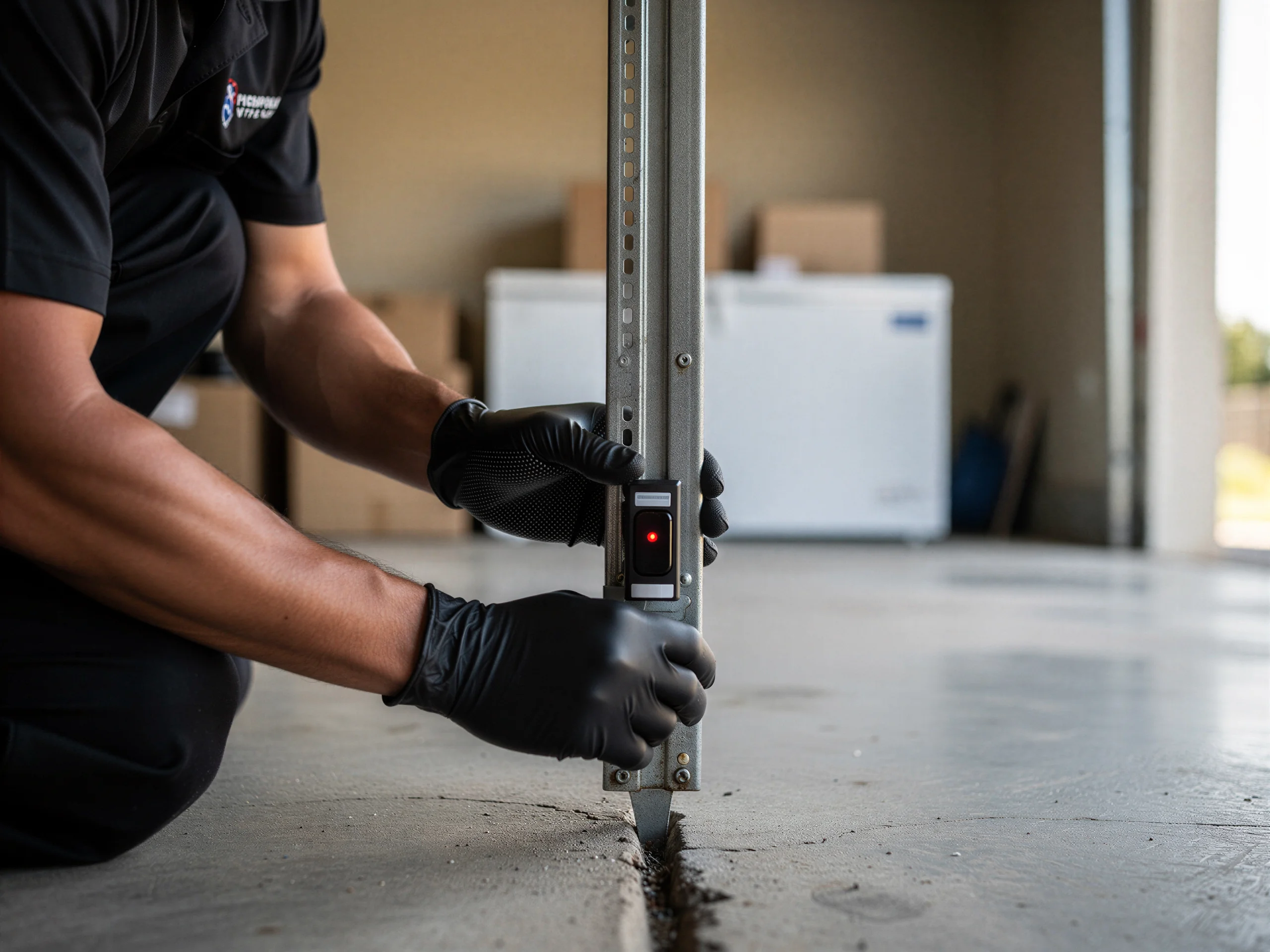
Most of the houses we get called to sit on stock built between 1973 and 2013, with the bulk going up around 2001. That matters because it's a span where builders standardized on extension and torsion springs rated for a specific cycle count, and twenty to thirty years later, those springs are at or past the end of that rating across six named areas in this service territory. A spring doesn't fail because a town has bad luck. It fails because it's done the number of lift cycles it was built for.
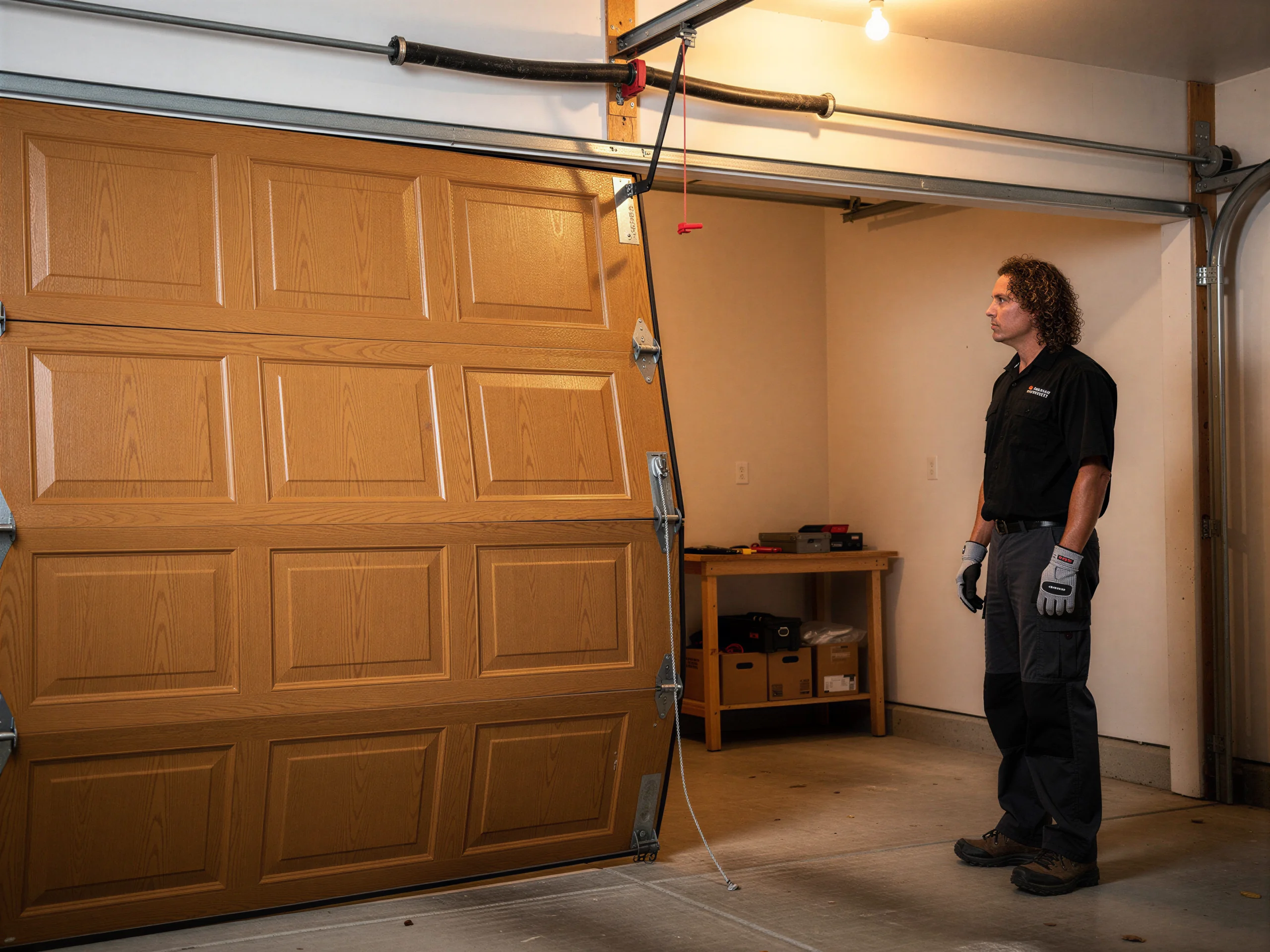
Add the climate band here - cold, but moderate, not the deep-freeze swings of the mountains or the heavy humidity swings of the coast. That still means steel contracts on the sharp cold mornings common to this band, and a spring sitting right at its fatigue limit snaps on the coldest stretch of the week, not gradually. Openers in homes from the 2000s also tend to run original logic boards and gear sets that weren't built for twenty-plus years of daily cycling, so when the spring goes, the opener motor often takes a hit trying to lift a door with no spring assist left. One failure triggers the next.
This isn't a Garner-specific defect. It's what happens when a service area's housing stock clusters tightly in age and all of it crosses the same fatigue threshold around the same years.