Local detail
What Local Conditions Do
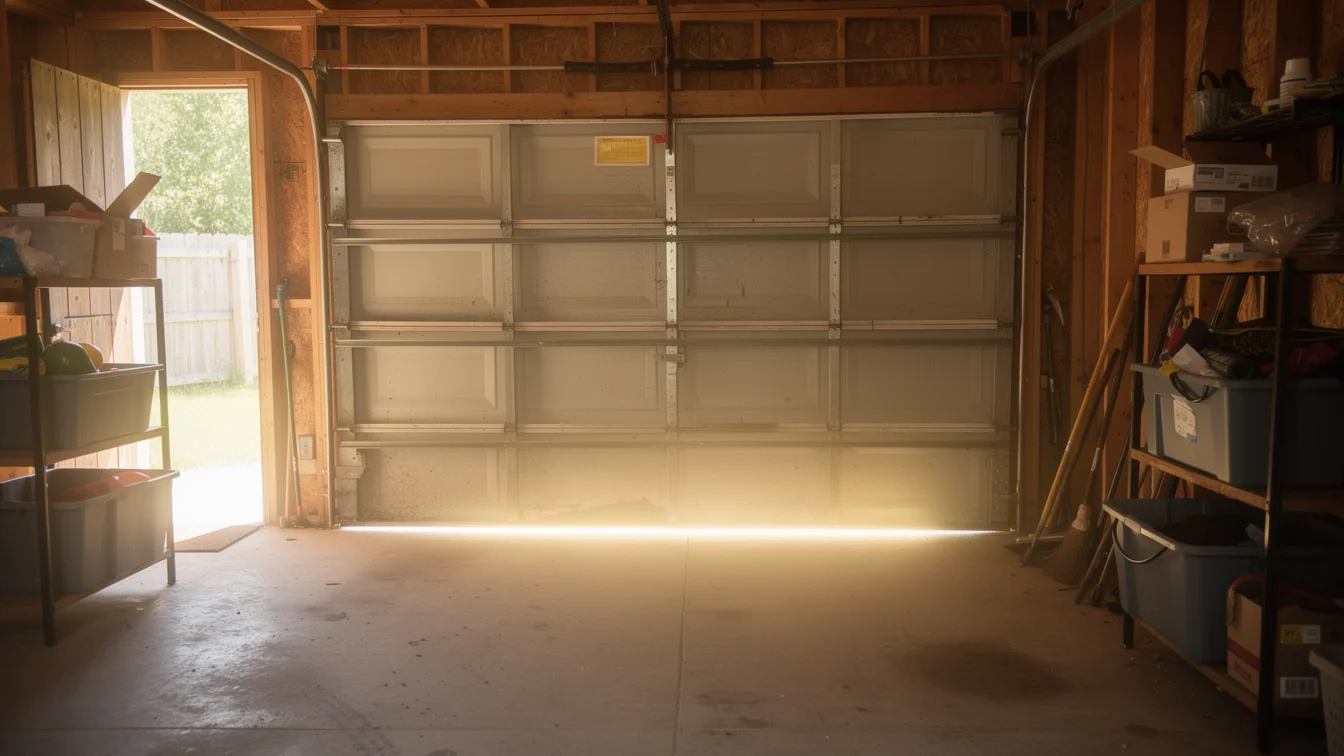
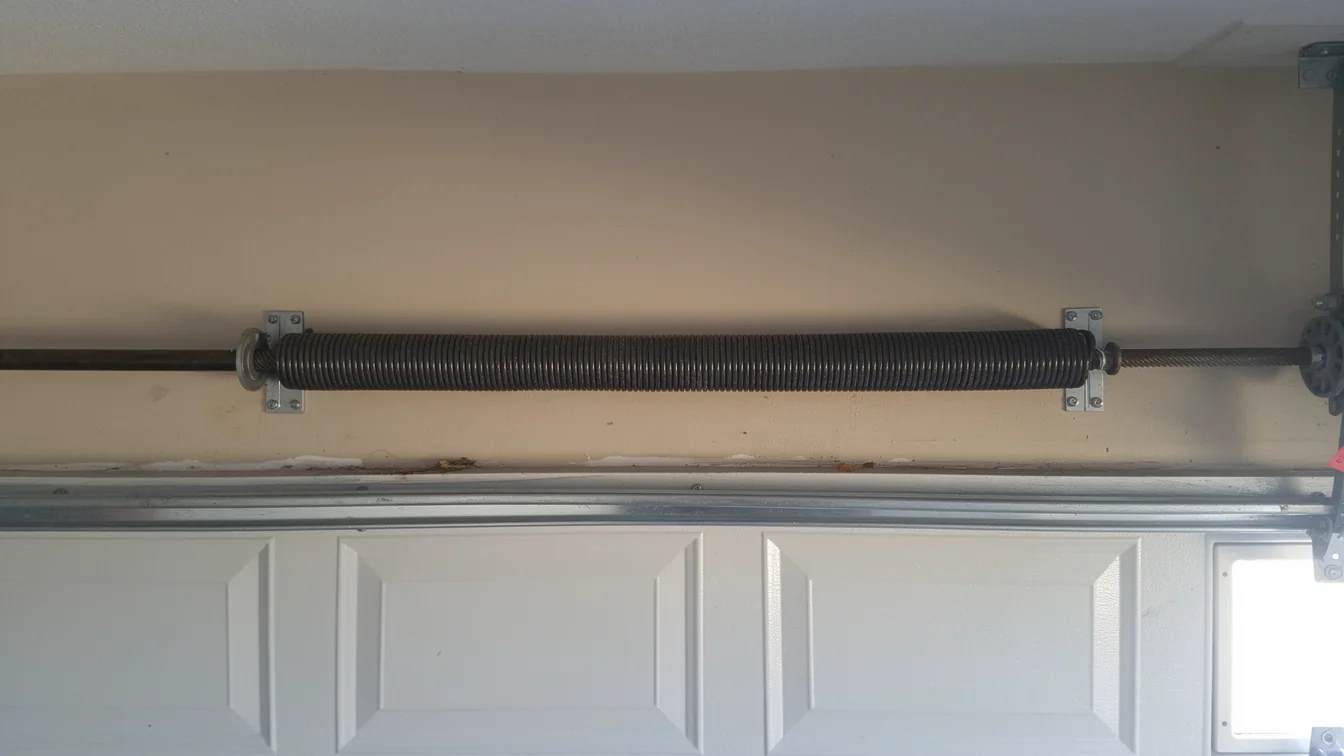
Garner sits in a cold-moderate climate band, which means winter isn't brutal but it isn't nothing either. Steel contracts in a hard overnight drop, and a torsion spring that's been carrying the same door weight for a decade or more has less give left in it when that contraction hits. Most houses in this service area went up between 1973 and 2013, with the bulk of the stock dating to the 2000s build boom across the six named areas here. That matters because 2000s-era production doors and openers used a fairly standard torsion spring spec, sized for the door weight common to that construction period - not for a spring that's been cycling for fifteen-plus winters. A spring at the end of its life doesn't care what the thermostat says, but a cold snap is often the final push. You'll usually hear it before you see it: a bang from the garage, then a door that won't lift past a few inches, or an opener that strains and reverses. That's the spring, not the opener, and it's not a problem you fix by lubricating the track.
The area
Doing Nothing For Now
If the door still opens and closes on the opener alone and nothing looks bent or frayed, you can wait - this isn't a same-day structural risk for most houses. A single broken spring on a double door usually leaves the opener doing all the lifting, which it wasn't built for, and that's where the real cost shows up: a motor or gear set burned out from months of trying to lift a 150+ pound door alone. Garner's median household income sits at $75,289 across roughly 25,222 households, with about 12,873 of those owner-occupied - which is to say most people here own the house and the problem is theirs to solve, not a landlord's. Waiting through one more cold stretch to schedule the work is reasonable. Waiting through a whole winter while the opener compensates is how a $200 spring job turns into an opener replacement. The honest limit here: if the door's already failed once this season, don't keep running it on the opener alone hoping it holds.
What we find
What Most People Get Wrong
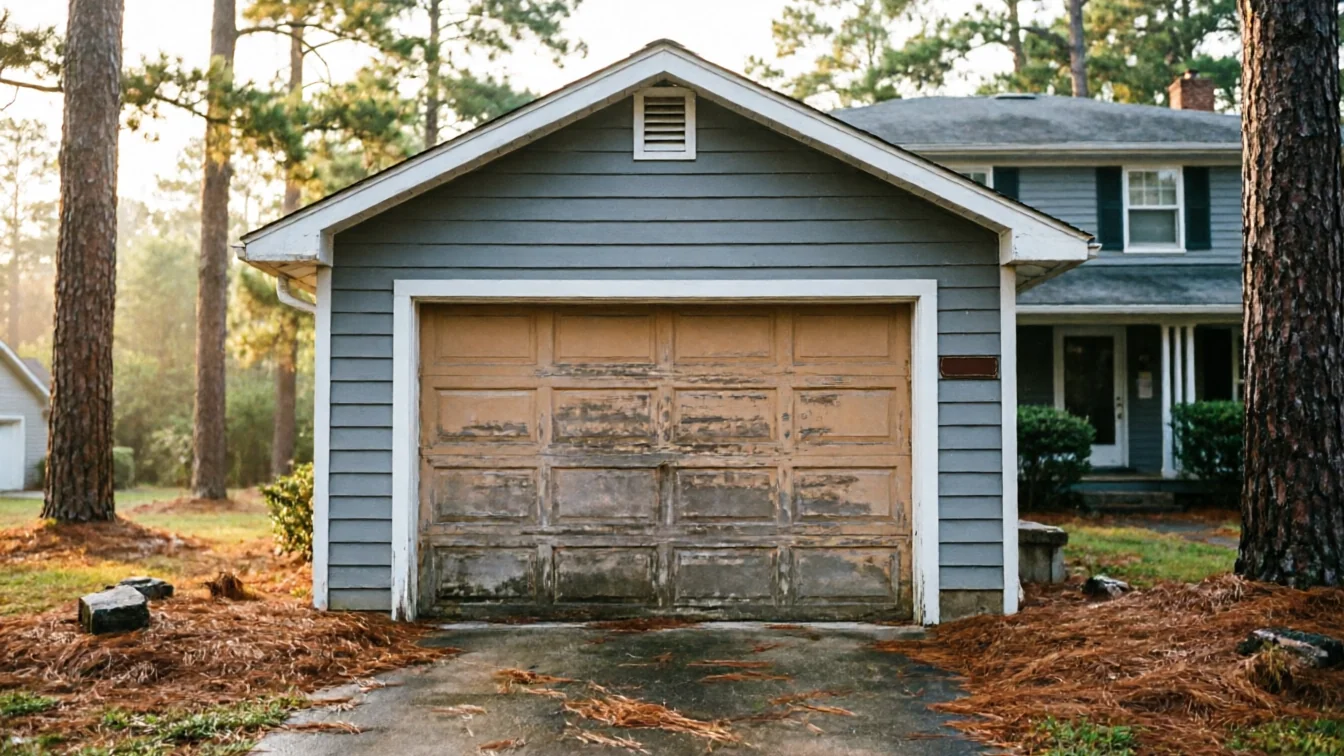
The most common mistake is assuming a door that still moves is a door that's fine. A spring under uneven tension - one side gone, one side holding - will rack the door sideways on the tracks, and in a lot of the 2000s-built homes around Garner, those tracks are standard-width steel that doesn't forgive much lateral stress before a roller jumps the rail. The second mistake is calling it an opener problem because the opener is what's straining or clicking. Replacing or reprogramming an opener does nothing for a dead spring. Given how much of the housing stock here dates to 2001 and later, a lot of doors are still on their original factory spring set, never upgraded, never replaced - which means when one goes, the other one on a double-spring door is usually close behind it, not far off on its own timeline.
How we work
The Problem
A torsion spring doesn't fail gradually in any way you can catch early. It holds tension for years, then a cold morning adds the last bit of stress the metal can't absorb, and it lets go - usually with a loud bang, sometimes with a visible gap where the coil separated. On the standard torsion hardware used across most of the area's 2000s-era construction, that's a controlled failure: the spring stays on the shaft, the door drops but doesn't come loose. We don't recommend DIY spring replacement - the wound tension involved is enough to cause real injury, and that's a limitation we're upfront about, not a sales pitch. If you're out toward Knightdale, Angier, Wendell, Rolesville, Smithfield, or Zebulon, or closer in near Southeast Raleigh, the call is the same: get the door supported so it can't drop further, and get the spring swapped before the opener takes damage trying to compensate.
Talk to a local pro
Garage door trouble in Garner?
Same-day service with honest, upfront quotes.