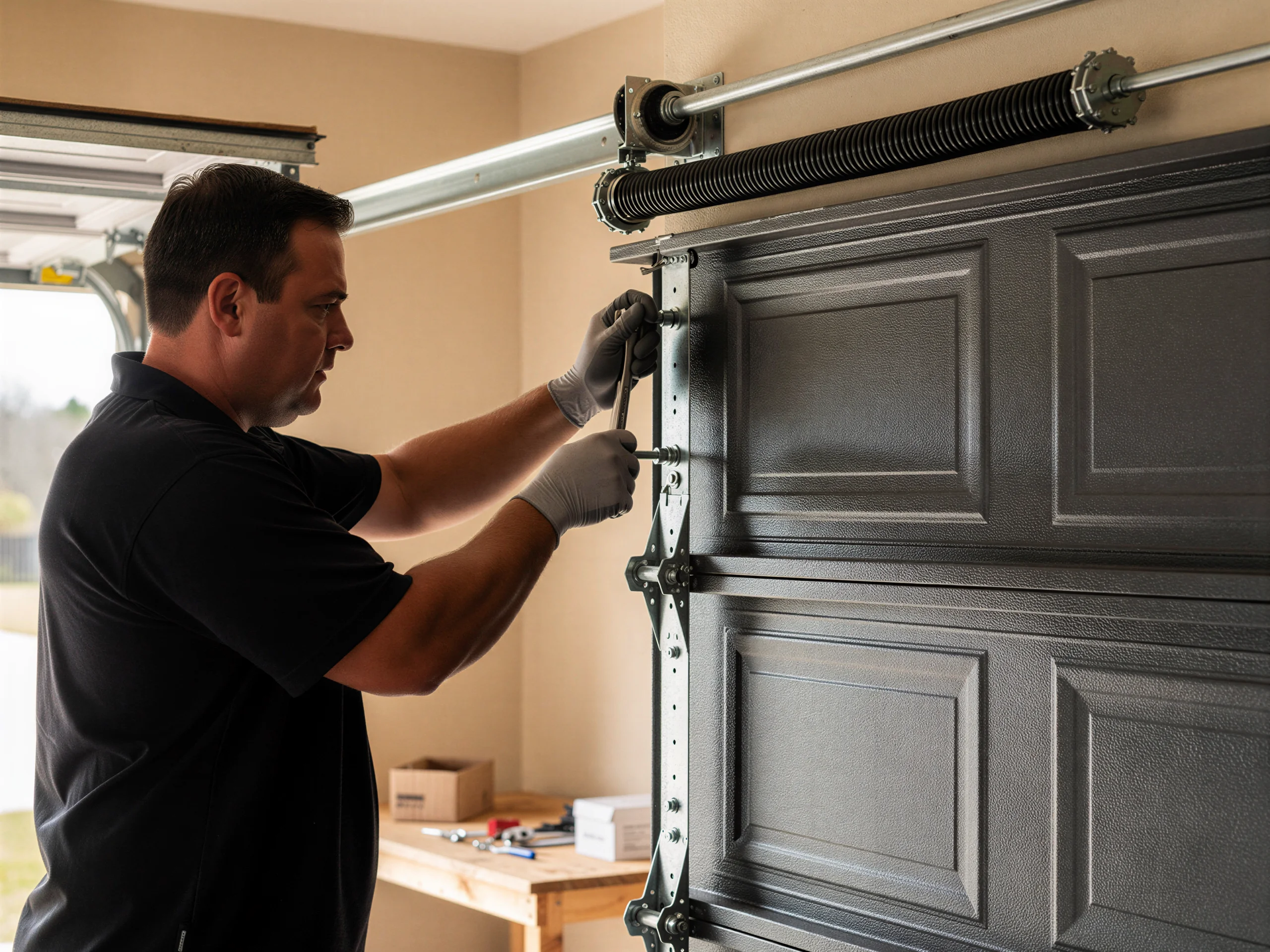
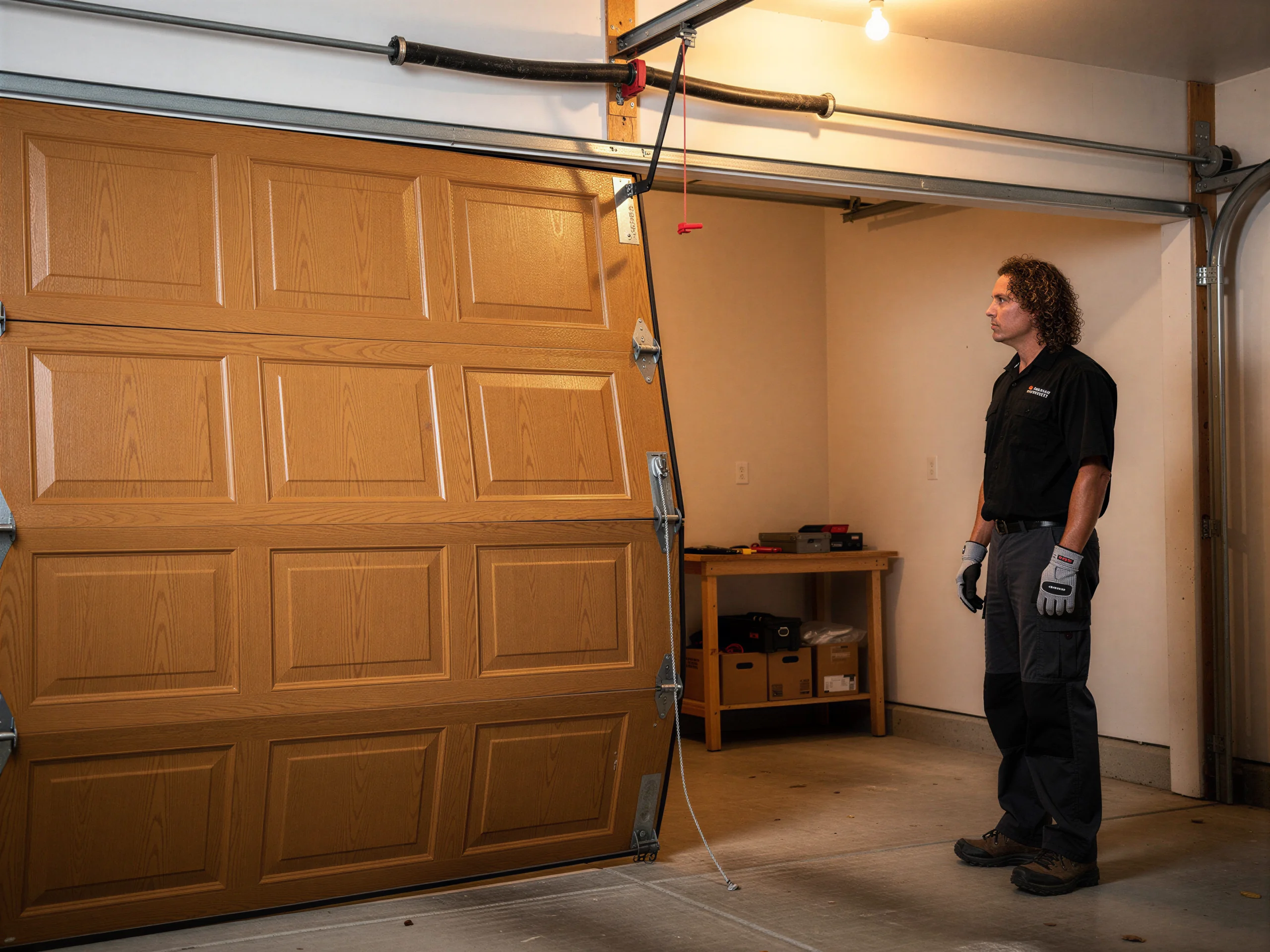
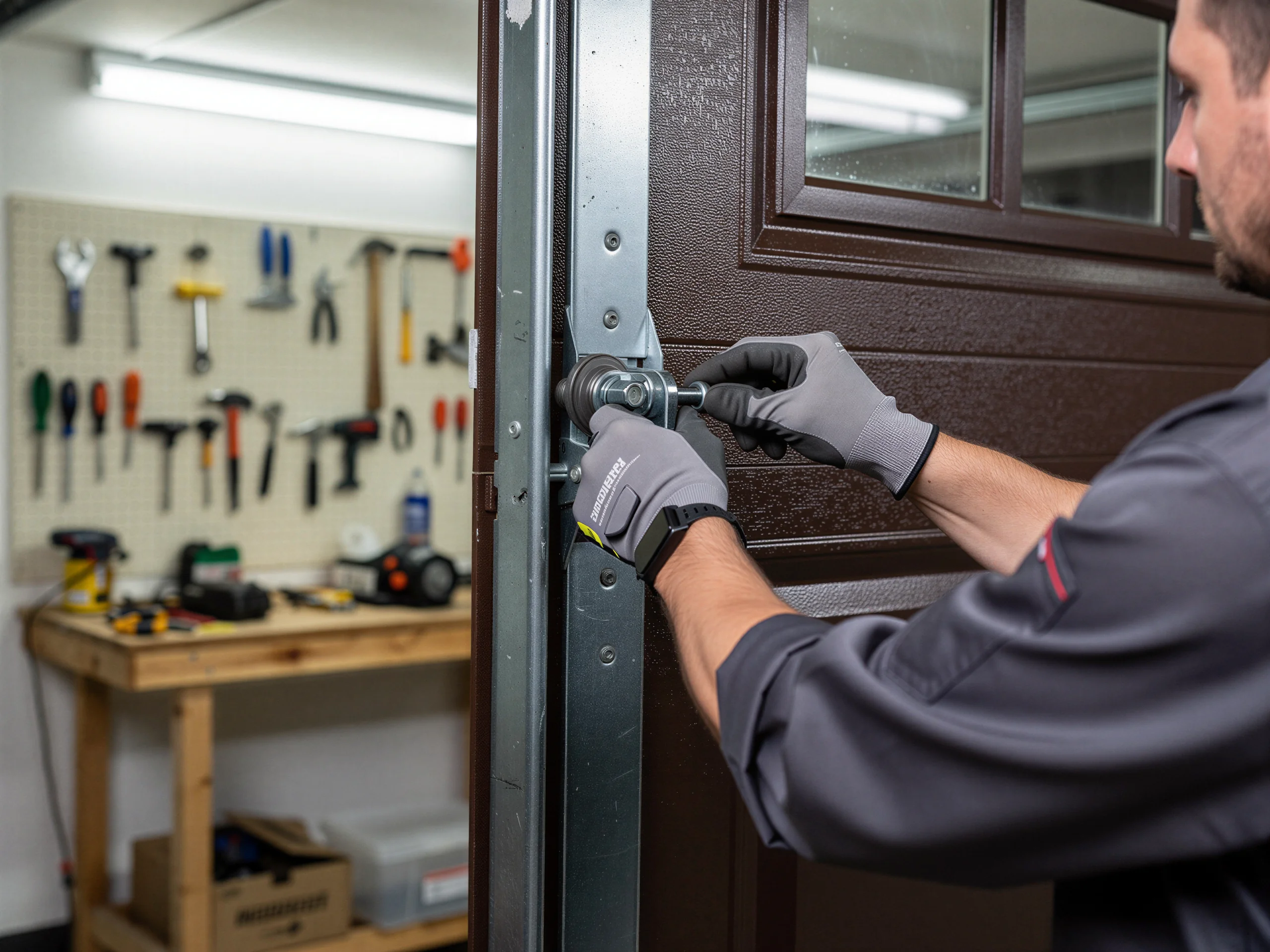
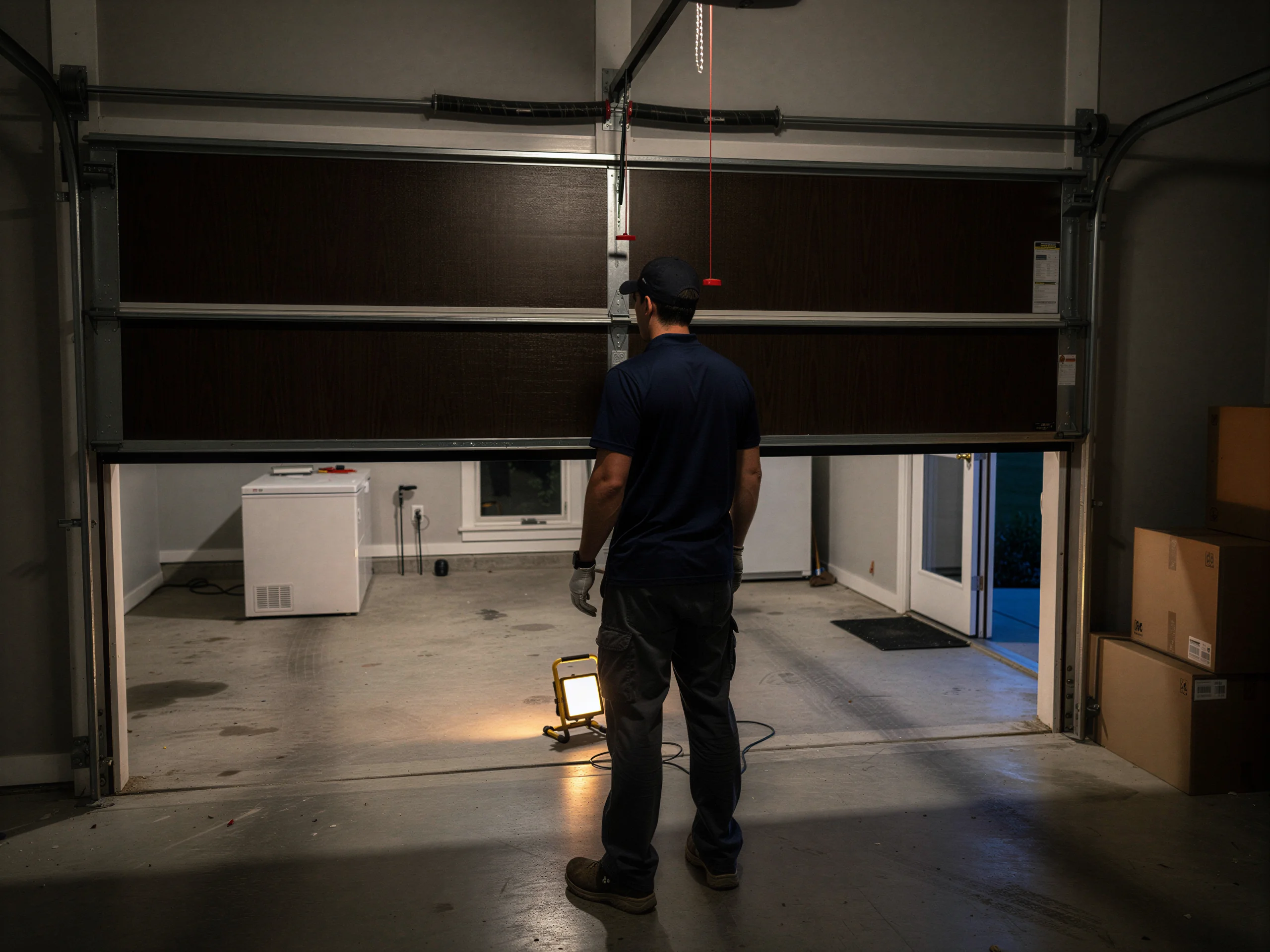
Garner's housing didn't all go up at once. The stock here runs from 1973 through 2013, with the median build year landing in 2001, and across the six built-out areas that make up this market, the mix skews toward 2000s construction. That matters because torsion springs are rated for a number of cycles, not years, but in practice most wear out somewhere between ten and twenty years no matter how often the door gets used. A house built in the early 2000s is sitting right in that window now. A house from the 1970s or 80s may already be on its second or third spring, often installed by whoever owned the place before, with no record of what's actually on the shaft.
The climate here is cold-moderate, not the deep freeze you get further north, but still enough for real temperature swings through the winter. Steel contracts in the cold. A spring that's been fine all summer can finally let go on the first hard cold morning, because the metal's already fatigued and the cold is just what tips it over. That's not a defect in the door. It's the ordinary end of a part's working life, arriving on cue.