Local detail
What Local Conditions Do
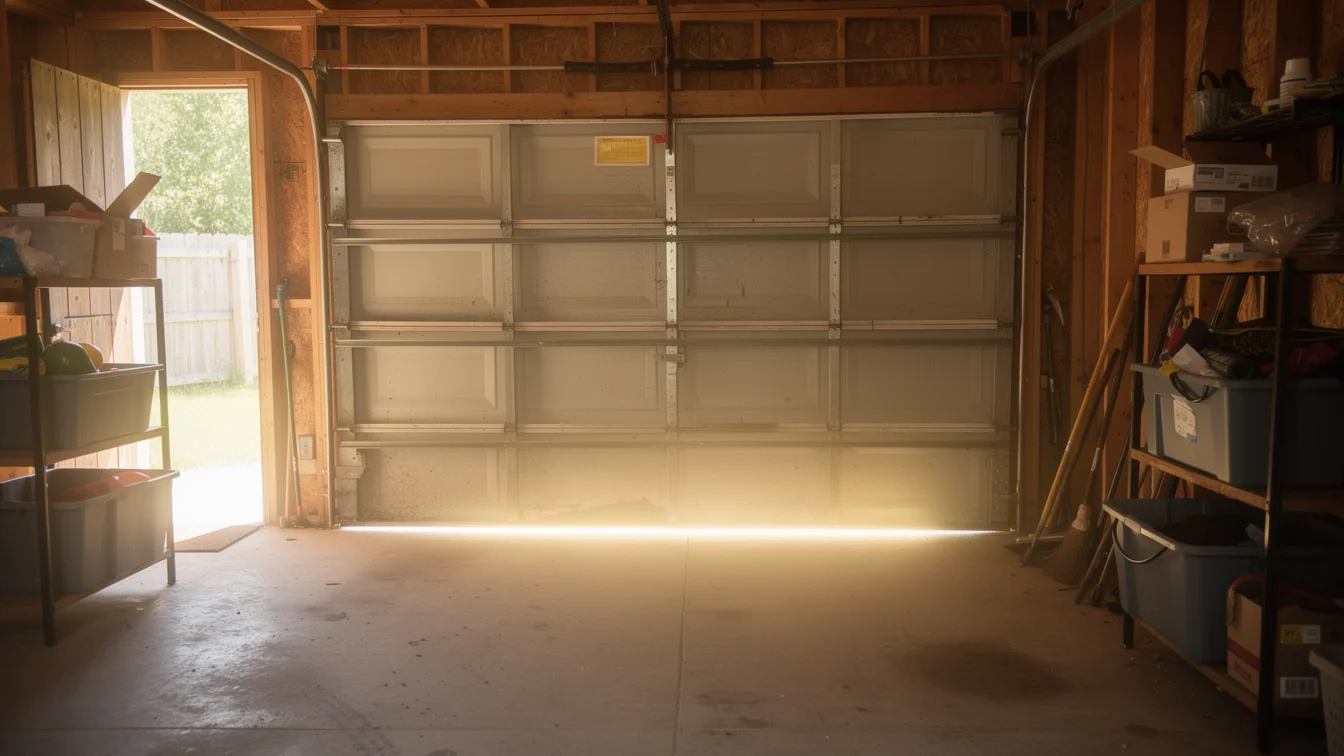
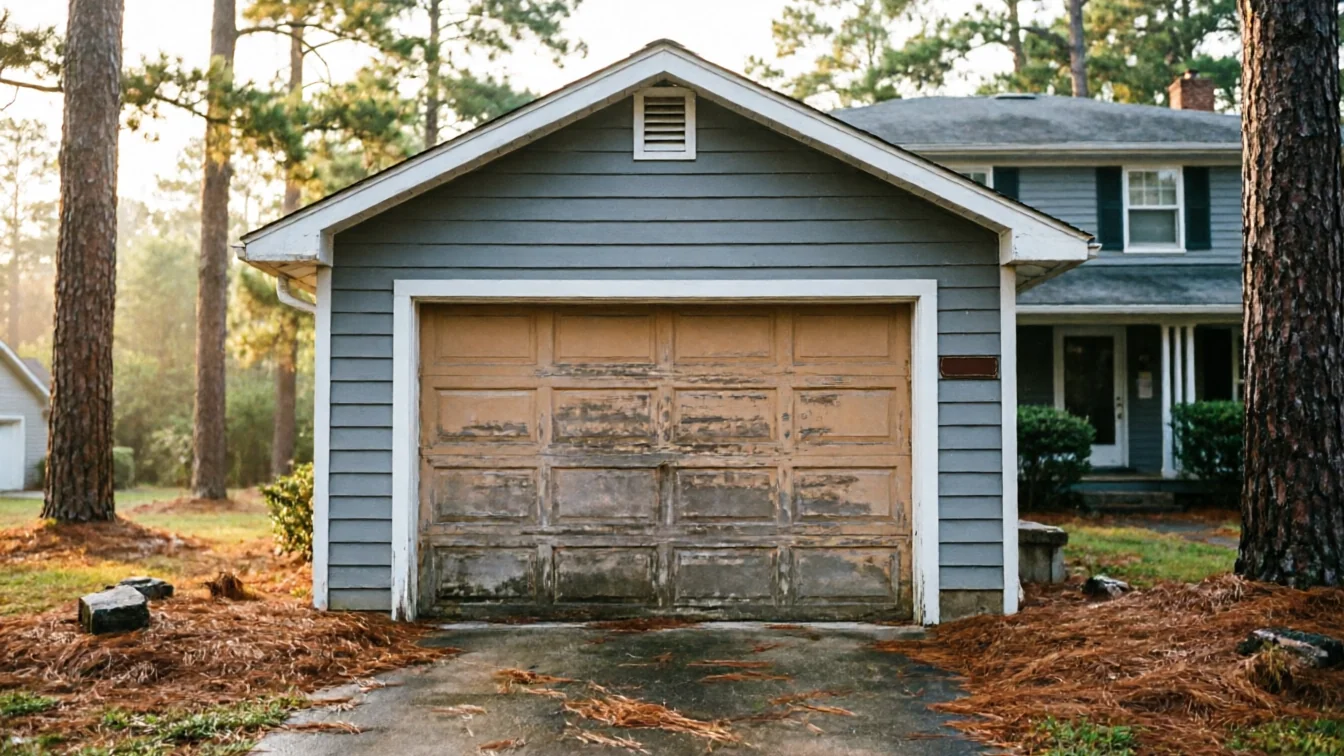
Garner's housing stock runs 1973 to 2013, with the median build year sitting at 2001. That spread matters because it means a large share of openers in this service area are the chain-drive, hard-wired type that was standard before battery backup became a common add-on. Those units have no way to lift the door once the power cuts out, and cold-moderate winters here bring exactly the kind of weather that knocks out power for a few hours at a stretch - ice on lines, wind events, the usual. Six named areas of Garner carry mostly 2000s-era construction, which tracks with the median build year. A house built in 2003 almost certainly has its original opener gearing paired with hardware that assumes grid power is always there. When it isn't, the door doesn't fail - it just sits, locked in whatever position it was in when the lights went out. That's not a defect. It's the opener doing exactly what it was built to do, in a house built before anyone planned around outages.
The area
Doing Nothing For Now
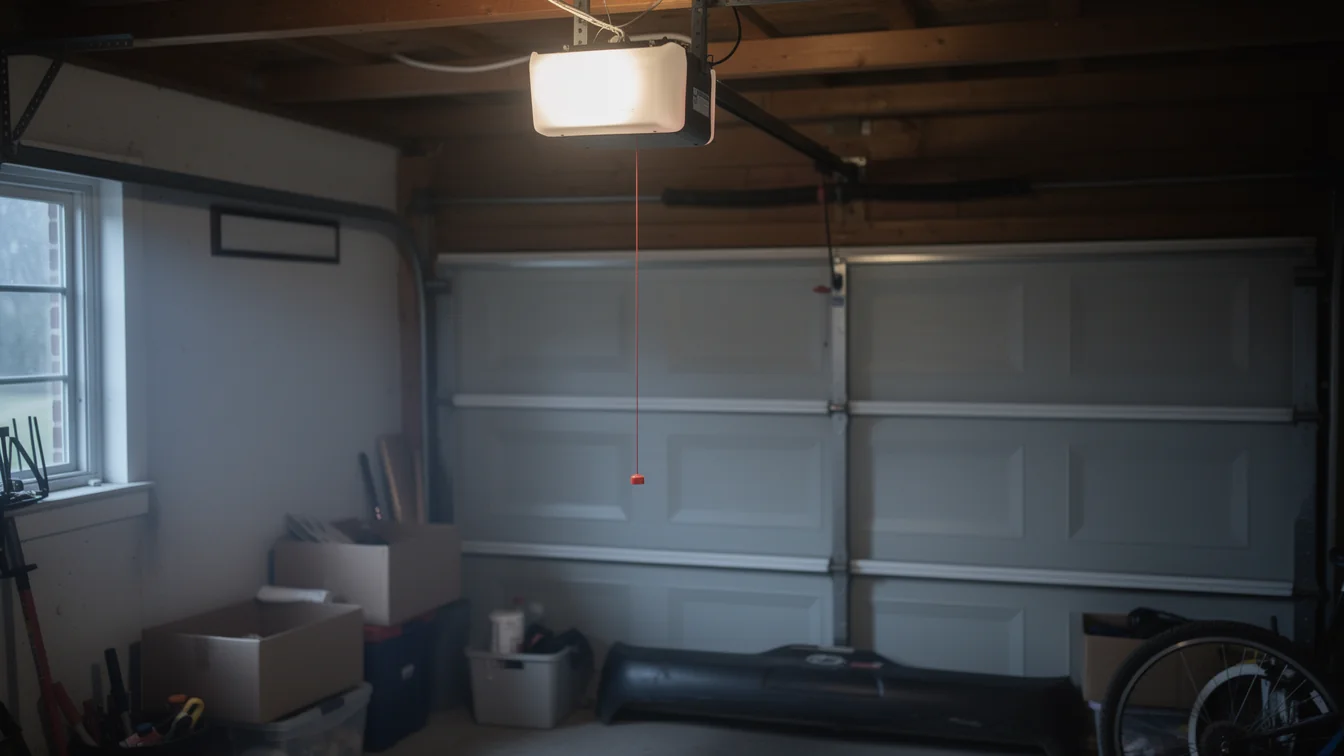
If your opener is original to a house built in that 1973-2013 window and it's never given you trouble, you don't need to replace it just because the power blinked once last winter. Most chain and belt drives from that era run fine for years past the point where people start worrying about them. The real question is whether you know how to release the trolley and lift the door by hand when the power's out - that manual release cord is standard on every opener sold in that span, and it works whether the unit is five years old or twenty. Leaving an older opener alone is a reasonable call as long as the chain isn't sagging, the travel limits are set right, and the motor doesn't strain on startup. None of that requires a battery backup retrofit. It just requires knowing where the red cord is before the night it matters.
What we find
What Most People Get Wrong
The common mistake is treating a power-cut opener like a broken opener and calling for a same-day repair when nothing's actually wrong with the unit. In a cold-moderate climate, outages cluster around winter weather events, and the opener that won't run is usually just an opener with no power going to it. The fix isn't a service call - it's the manual release. The second mistake runs the other way: people in houses built right around the median 2001 year assume their opener already has battery backup because the house is "newer." It doesn't, unless someone added it. Builders in that era wired openers to household circuits and stopped there. With 12,873 owner-occupied houses in this service area spanning that same 1973-2013 build range, a good number of them are carrying an opener that's never had backup power and never will unless the owner installs it separately.
How we work
The Problem
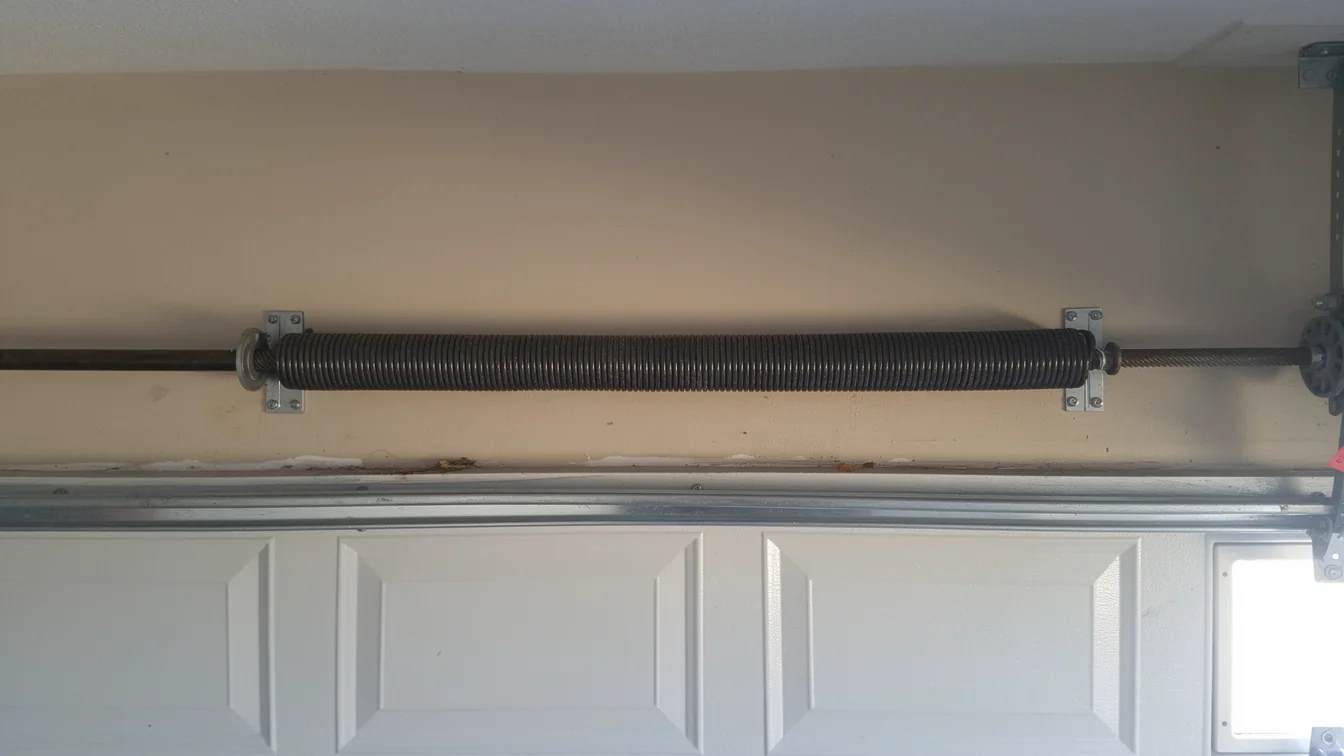
The actual problem isn't the power cutting out - it's not knowing, before it happens, whether your door can be opened by hand and whether your opener's safety reversal still works once power comes back. We don't install whole-home generators or rewire electrical panels; that's outside what a garage door company does, and if your outage problems are bigger than the door, that's a different call to make. What we do deal with is the opener itself: confirming the manual release still functions, checking that an older chain-drive isn't about to strain itself during a cold-weather power cycle, and talking through battery backup for anyone in this service area who wants one. In a market where household income runs a median $75,289, a backup battery unit is a reasonable add for people who use the garage as a main entry, and a skip for people who don't. Either way, knowing your door in a power cut beats finding out during one.
Talk to a local pro
Garage door trouble in Garner?
Same-day service with honest, upfront quotes.